
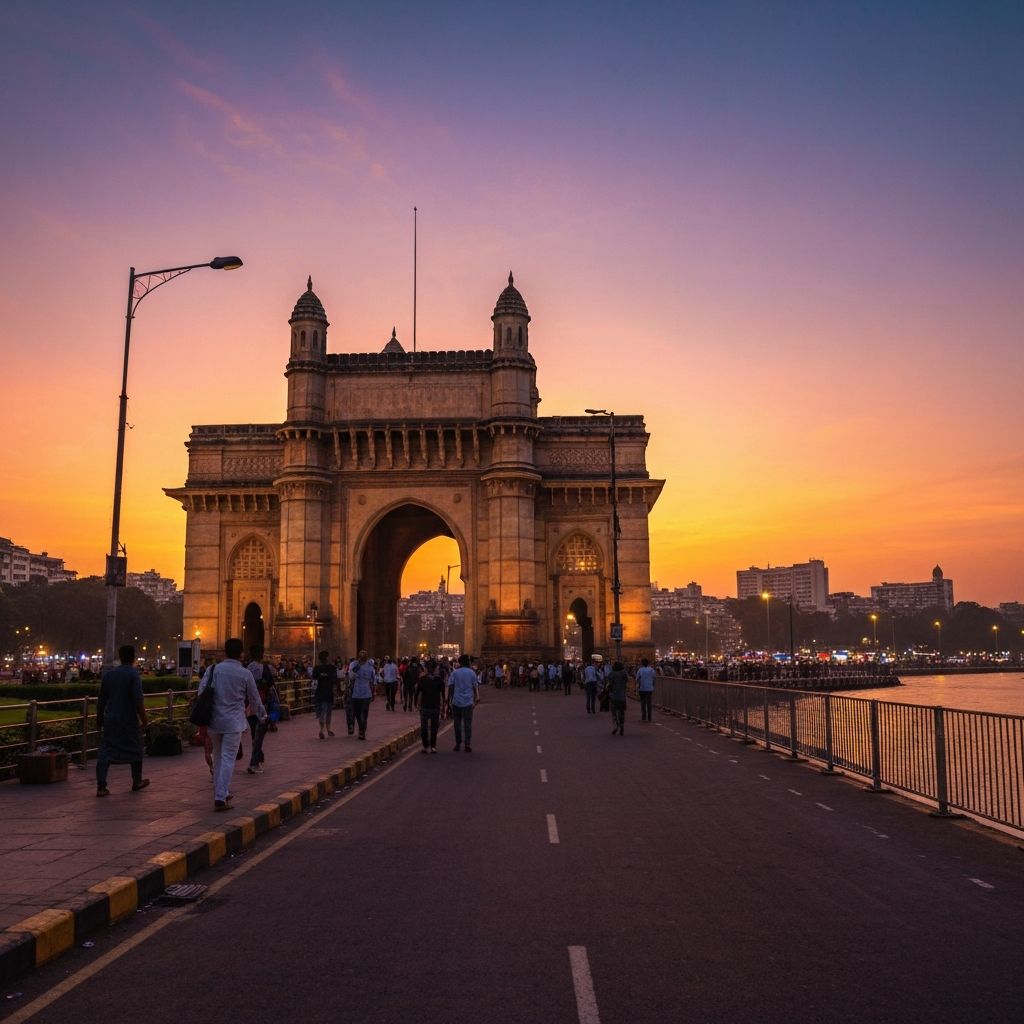
Singapore to India for the Festive Season: eVisa Guide from September to Diwali 2026
Complete festival season travel guide for Singapore travelers. Learn about Diwali timing, eVisa planning, accommodation booking strategies, costs, what to expect, and insider tips for experiencing India's most significant celebration.
The year winds down toward October and November. Your calendar shows Diwali approaching—that moment when India transforms into something almost unrecognizable. Lights strung across buildings, fireworks echoing through the night, markets overflowing with sweets and decorations, and the entire country caught in a shared celebration that feels genuinely different from regular life.
You've mentioned the idea casually to friends: what if you didn't just think about visiting India? What if you actually went during Diwali? From Singapore, the idea seems both exciting and vague. When exactly should you leave? How do you apply for your eVisa with Diwali timing in mind? What's it actually like to be in India during the festival? How far in advance should you book accommodations when everyone else has the same idea?
This guide answers all those questions. You'll learn why festival season (September through Diwali) is genuinely different from regular India travel, how to apply for your eVisa with festival timing factored in, which cities actually celebrate Diwali in ways that matter to visitors, what to realistically expect during peak festival season, how to navigate the crowds without losing yourself, and how to make bookings months in advance without overpaying or ending up in tourist traps.
Festival season travel is fundamentally different. It's not just "going to India during holidays." It's planning around a specific cultural moment, understanding that every hotel is booked, that prices have risen, that crowds have tripled—but also that you're arriving at exactly the right moment to experience something genuinely extraordinary. This guide bridges the gap between dreaming about Diwali and actually being there. It focuses on Diwali itself: timing, booking pressure, costs and what the celebration is like on the ground. For a seasonal look at September, see our September seasonal guide; for October festivals and destinations, see our October travel guide.
Why Festival Season (September to Diwali) Changes Everything
Diwali is not just another holiday in India. It's the Festival of Lights—the Hindu new year in many regions, celebrated across the entire country regardless of religious background. For five days (sometimes longer when celebrations span from Dussehra through Diwali), India operates differently.
The Scale of Celebration
Nothing in Singapore's experience quite prepares you for Diwali in India. The festival spans weeks of buildup. Starting in the autumn with Navratri (celebrating the goddess Durga), continuing through Dussehra (celebrating victory of good over evil, usually in October depending on the lunar calendar)—for detailed October festival planning, see our October travel guide—and culminating in Diwali (typically late October or early November, depending on the lunar calendar), the entire three-month period throbs with celebration.
Navratri itself involves nightly cultural programs, traditional dances, music performances, and regional food festivals. Dussehra marks the climax with large public processions, dramatizations of the Ramayana, and community gatherings. Then Diwali arrives—fireworks from dusk until midnight, homes and temples lit with oil lamps (diyas), markets overflowing with sweets and decorations, families gathering, and the entire country operating under a different rhythm.
For someone from Singapore accustomed to well-controlled celebrations, the scale is staggering. Cities that normally feel manageable suddenly feel alive with purpose. Neighborhoods you walked through casually previously are now markets with vendors selling lights, decorations, and seasonal sweets. The energy is infectious and genuinely transformative.
What Makes Festival Season Travel Different
Festival season isn't just "going to India with decorations." It fundamentally changes:
Accommodation Availability: Hotels in popular cities (Delhi, Jaipur, Mumbai, Agra) often fill months ahead, so book as early as you can. Budget properties disappear first. Prices typically rise noticeably during Diwali week compared to regular season.
Transportation: Flights fill quickly. Domestic trains for popular routes (Delhi to Agra, Mumbai to Goa) require advance booking. Road travel involves more traffic as Indians travel to visit family. Everyone moves simultaneously.
Crowds: Major temples see unprecedented crowds during Diwali. Markets selling decorations and sweets are packed. Popular tourist sites have 2-3x normal visitor numbers. If you dislike crowds, Diwali is challenging.
Atmosphere: The trade-off for crowds is atmosphere. You experience India at a moment when the entire nation celebrates something meaningful. Temples are packed because people are genuinely present for the festival, not checking items off a list. Markets bustle because vendors are selling things people actually want. The energy is authentic in a way that's hard to manufacture.
Pace: Things operate slower but with purpose. Some shops close during festival days (especially Diwali itself). Restaurants serve special festival menus. Public services run reduced schedules but everyone understands why—the nation has paused for celebration.
Understanding Diwali's Actual Dates and Planning Calendar
Diwali's date shifts annually because it follows the lunar calendar. In 2026, Diwali falls on November 8. This matters tremendously for your planning.
If you're traveling during festival season but not specifically for Diwali itself, your window spans September through early November:
Autumn (usually late September to October): Navratri season (9-day goddess celebration)
Temperatures: 25-35°C depending on region
Crowds: Moderate (local celebrants, but not maximum tourist season)
Accommodation: Available, regular prices
Experience: Cultural events, traditional performances, regional foods
October: Dussehra (victory celebration)
Dates vary by year and region, so check the festival calendar for your travel year
Temperatures: 25-35°C
Crowds: Moderate to high
Accommodation: Available but booking advised
Experience: Processions, dramatic performances, historical significance
Late October to Early November: Diwali buildup and celebration
Diwali 2026: November 8
Temperatures: Pleasant (20-30°C in North India, warmer in South)
Crowds: Maximum (plan accordingly)
Accommodation: Nearly full; book as early as possible
Experience: Maximum celebration, atmosphere, energy
Why This Timeline Matters for Singaporeans:
November is optimal for Singapore travelers because:
- It's heading into the Northern Hemisphere's winter, so temperatures are perfect
- December holidays aren't yet here, so flights are less chaotic than later
- Diwali celebration is at its peak
- The post-Diwali period is when Indians have completed major celebrations and cities are less overwhelmed
However, Diwali itself (November 8) is the absolute peak for accommodation costs and crowds. Many experienced travelers visit either the week before (October 31-November 7) to capture festival atmosphere without maximum crowds, or November 9-15 to experience the post-Diwali glow when celebrations continue but crowds have thinned slightly.
Your eVisa Application Timeline for Festival Season Travel
Applying for your eVisa with festival travel in mind requires different timing than regular travel planning.
When to Apply for Festival Travel
If you're traveling Diwali week (Nov 3-8, 2026): Apply as soon as your dates are firm
Allowing several weeks gives you buffer time for any delays or corrections. Standard processing (4-5 working days) and Express processing (2-3 working days) are available, but leave a margin rather than relying on the fastest option. The eVisa must be applied for at least 4 days before arrival. If Diwali is only a few weeks away when you read this, apply right away and expect limited accommodation and flight availability.
If you're traveling Navratri (autumn, usually late September to October): Apply several weeks before departure
You want your eVisa in hand before you book non-refundable accommodation. For the 2026 season this window is largely under way or past, so treat this as a template for future years.
If you're traveling Dussehra (usually October): Apply several weeks before departure
Accommodation booking can start as soon as your eVisa is approved.
Why This Timing Matters
Festival season is harder to plan at the last minute than regular travel. Here's why:
Accommodation booking may ask for visa details: Some hotels request visa details during booking, and some properties ask for a copy of your eVisa as assurance that you're actually coming. Having your eVisa approved first makes booking premium properties smoother.
Flight prices spike: Booking flights too close to Diwali means premium prices. Airlines know festival travelers are time-sensitive. Booking soon after your eVisa approval is ideal. Our guide to direct flights from Singapore to India has practical tips on routes and booking.
Festival events book up: If you want tickets to specific Diwali events or cultural performances, those often require advance purchase, so it helps to have your visa sorted before you commit.
Tour operators fill: Tour packages for festival season fill early. Standard packages (Delhi-Agra-Jaipur for Diwali) have limited spots because multiple people target the same itinerary.
The practical sequence: Plan your trip → Apply for eVisa as soon as dates are firm → Receive approval → Book accommodations immediately → Book flights → Book experiences → Travel
eVisa Requirements Recap for Clarity
Your eVisa application remains straightforward:
- Valid Singapore passport (at least 6 months validity at the time of application, with at least 2 blank pages)
- Recent front-facing passport photo (white or plain light background)
- Passport scan
- Email address
- Intended arrival date (your Diwali trip departure date)
- Processing fee (check for current rates on your visa fees page)
Which eVisa type? Tourist eVisa is correct for festival travel. You're visiting for leisure, cultural experiences, and celebration—that's exactly what the Tourist eVisa covers.
Which duration? Many festival travelers choose the 1-year option in case they want to return next year for the same celebration; see our 30-day, 1-year and 5-year eVisa comparison for how the options compare..
Which Indian Cities and Destinations Shine During Festival Season
Not all Indian cities are equally suited for festival travel. Some have rich Diwali traditions; others feel ordinary. For Singaporean travelers planning festival season visits, certain destinations stand out.
North India: The Diwali Epicenter
Delhi: The national capital celebrates Diwali with maximum grandeur. Markets like Chandni Chowk become otherworldly—decorated, crowded, alive with energy. Temples across the city host celebrations. The Red Fort and major monuments are lit with lights. The experience is intense, slightly chaotic, but genuinely unmissable.
First-time visitors should expect: extreme crowds at major temples, traffic congestion during peak evening hours, accommodation difficulty, but also the most authentic large-scale celebration.
Jaipur (Rajasthan): The pink-painted city becomes even more spectacular during Diwali. Palaces are lit beautifully. Markets are slightly less chaotic than Delhi while maintaining full celebration. The surrounding areas (Amer Fort, havelis) become wonderland-like with lights and decorations.
Best for: First-timers who want Diwali atmosphere without Delhi's overwhelming scale. Slightly less crowded but still definitively celebrating.
Agra: Home to the Taj Mahal, Agra during Diwali offers something unique—the world's most famous monument bathed in Diwali lights. The surrounding markets celebrate enthusiastically. The experience is slightly more manageable than Delhi while maintaining full celebration atmosphere.
Best for: Travelers who want iconic monument experience plus Diwali celebration. If you plan to combine Delhi, Agra and Jaipur, see our Golden Triangle guide for November.
Varanasi: The holiest city in Hinduism celebrates Diwali with unparalleled spiritual significance. Ghats (steps) overlooking the Ganges are lit with lamps. The celebration is deeply religious, atmospheric, and genuinely powerful.
Best for: Spiritually-inclined travelers seeking meaningful festival experience. Challenging for first-timers due to intensity.
South India: Festival Celebration (Different Scale)
Mumbai: Celebrates Diwali enthusiastically but with less chaos than North India. The beaches and colonial architecture provide different atmosphere. Markets celebrate but remain slightly more organized.
Bangalore: Tech-savvy city celebrates Diwali but with a contemporary, cosmopolitan feel. Less overwhelmingly traditional than older cities, but still genuinely celebratory.
Where NOT to Go for Festival Season
- Small, remote, or hill-station towns: They celebrate locally but lack the tourist infrastructure during surge travel times
- Extremely remote Himalayan regions: Celebration happens but accommodation is severely limited
- Monsoon-affected areas: Some regions still receive rain in early October
Festival Season Travel Planning: What Singaporeans Must Know
Booking Accommodations During Peak Festival Season
Festival season accommodation requires strategies regular travel doesn't:
Book as early as possible: Ideally 3-4 months ahead, which for Diwali means July-August. Good-value rooms go first, so the later you book, the more you are choosing from what is left or premium-priced. If Diwali is close, book immediately and stay flexible on location and room type.
Where to book: Established platforms (booking sites, hotel websites) are more reliable than boutique booking agencies that might not have official cancellation policies. Festival season is when people most often change plans due to work or family emergencies.
Price reality: Expect noticeably higher rates during Diwali week; a hotel that costs SGD 60 in regular season might be SGD 85-90. This isn't price gouging—it's supply and demand. If this stretches your budget, consider traveling outside Diwali week itself, for example during Navratri or Dussehra, when rates are generally lower. Our India travel budget guide for Singaporeans has wider budgeting guidance.
Accommodation types during festival season:
- Hotels: Book directly. They honor reservations but have stricter cancellation policies.
- Heritage properties and palaces: These see highest demand. Book immediately after eVisa approval.
- Homestays: Can vary in festival reliability. Read recent reviews carefully.
- Airbnb: Works but verify host has handled festival season travelers. Cancellation policies matter here.
Pro tip: Book a property with flexibility on exact room type but confirmed dates. This balances commitment with some buffer for plans to shift.
Transportation During Festival Season
Flights: Book simultaneously with accommodations. Festival flights fill early, and popular return dates fill first. If you want to leave Singapore November 3-8 and return November 11-15, book immediately after eVisa approval.
Trains: If you're planning Delhi-Agra-Jaipur (the classic circuit), book trains 1-2 months in advance. Festival-season trains are full but not impossible. Book on Indian Railways website or through authorized agents.
Domestic flights: Less critical but faster. Book 4-6 weeks in advance.
What to expect: You'll sit in traffic during evening hours as Indians celebrate. Plan activities for early mornings or late nights when movement is easier.
Costs During Festival Season
Budget assumptions need festival-season adjustments:
Accommodation: Add 30-50% to your regular budget during Diwali week
Flights: Add 20-30% compared to regular season (but book early to minimize)
Activities: Add 15-20% (guided tours, temple visits, and special festival experiences cost more)
Dining: Add 10-15% (restaurants offer special festival menus at premium prices)
Shopping: This could increase dramatically or stay flat depending on whether you're buying gifts/decorations
Ground transport: Regular costs but expect longer travel times due to traffic
Total for a 7-day Diwali trip from Singapore: Budget SGD 1,800-2,500 per person (flights, hotels, meals, activities, local transport) compared to SGD 1,200-1,600 for regular season.
What to Realistically Expect During Diwali Celebration
The Sensory Experience
Diwali is overwhelming in the best way. Expect:
Visual: Cities transformed by lights. Homes and businesses are illuminated with electrical lights, lanterns, and traditional oil lamps. Decorations line streets. Markets glow with color. If you're visiting North India, fireworks start at dusk and continue until midnight (or later on the main Diwali night).
Audio: Firecrackers (fireworks) are constant during Diwali week. Restrictions on firecrackers vary by city and year, but they remain popular. The sound is intense—not just occasional pops but sustained explosions starting around 6 PM and peaking after 9 PM. If you're sensitive to loud noise, this is challenging.
Olfactory: The smell of oil lamps, incense, sweets, and fireworks creates a unique scent profile. It's not unpleasant—it's just distinctive.
Crowds: Peak crowds are 2-3 PM (shopping) and 6-10 PM (evening celebrations). Early mornings and late nights are quieter. Temple visits at 6-7 AM (before crowds) versus 6-7 PM (peak) are completely different experiences.
Spiritual Dimension
Even non-religious travelers feel Diwali's spiritual significance. People are genuinely present for something meaningful, not just going through tourist motions. Temples are packed because people have come to celebrate something sacred. Markets are busy because vendors are selling things their communities actually want for the festival.
This authenticity is powerful. It means you're not watching a performance for tourists—you're witnessing actual celebration. It also means you're navigating spaces filled with purpose, which can feel intense if you're unprepared.
Practical Realities
Noise: Firecrackers are continuous during Diwali week, especially after 6 PM. Earplugs aren't snobbish—they're practical.
Crowds: Major temples and markets are extremely crowded. If you hate crowds, visit very early morning or plan less crowded secondary sites.
Schedules: Some shops close during Diwali itself. Some restaurants adjust hours. Plan accordingly.
Photography: You'll get incredible photos, but expect crowds in backgrounds. Early mornings (6-8 AM) offer clearer shots of decorated sites.
Pace: Things move slower but with purpose. Embrace the pace rather than fighting it.
Packing Specifically for Festival Season Travel
Clothing Essentials
Modest traditional clothing: For temple visits and cultural sites, consider purchasing or bringing traditional Indian clothing (salwar kameez for women, kurta for men). You'll blend in, show respect, and feel more connected to celebrations. Casual retailers sell these affordably.
Festive clothing: If you're attending specific celebrations, having at least one festive outfit makes sense. Many visitors wear traditional Indian clothing to Diwali events.
Comfortable shoes: You'll walk more during festival season. Comfortable walking shoes are essential.
Light layers: Even though temperatures are pleasant, temples and hotel rooms can be cool with air conditioning. Our India travel preparation guide has a fuller packing and preparation checklist.
Sunscreen and hat: Festival shopping happens outdoors. Protection is important.
Practical Items
Earplugs: Seriously. Firecrackers are loud. Quality earplugs make nights far more restful.
Cash: Markets selling festival items often don't accept cards. Carry Indian rupees.
Camera or phone storage: You'll photograph extensively. Ensure your phone or camera has ample storage.
Notebook: Festival season involves spontaneous meetings and invitations. A small notebook helps you remember names, addresses, and details.
Gifts to give: Small gifts for people you meet are appreciated. Items from Singapore (chocolates, small crafts) are perfect.
What NOT to Overpack
- Heavy winter clothing (not needed in most of India)
- Too many shoes (pack 2-3 pairs maximum)
- Electronics you won't use
- Excessive toiletries (India has everything)
If you would like to combine the festive season with live music, see our guide to concert tourism in India.
Festival Season Travel FAQs
Q: Is Diwali the best festival to visit India, or are there others I should consider?
A: Diwali is the largest and most widely celebrated, especially in North India. However, Navratri (September-early October) and Holi (February-March) are equally compelling for different reasons. Diwali is good for first-timers because it's celebrated everywhere. Holi (the spring festival) involves play, color, and is slightly less commercialized. Choose based on your calendar availability and whether you prefer North or South India focus.
Q: I work during October but might have November free. Should I try to get Diwali dates, or book for after Diwali?
A: If only November 8+ is possible, don't force it. Diwali week (November 3-8) is peak. November 9-15 is generally more relaxed—some celebrations continue, crowds tend to thin, rates often ease, and you still experience meaningful festivity. It's almost as good without the extreme intensity. Alternatively, travel November 17-25 when everything returns to normal but you've still experienced the aftermath and understand the celebration's significance.
Q: How do I avoid being a tourist watching Diwali rather than experiencing it?
A: Three approaches work: (1) Spend time in residential neighborhoods, not just tourist sites—watch how families celebrate at home; (2) Visit temples during morning prayer hours before crowds arrive; (3) Take a cooking class or workshop during festival season to meet locals and learn about festival traditions; (4) Stay longer than typical—2-3 days you're obviously visiting, 7-10 days you start understanding rhythms and meeting people.
Q: Are festival-season trips expensive, or is this exaggerated?
A: Prices are legitimately higher during Diwali week, so it's not exaggeration. However, traveling just before or after the peak week can capture festival atmosphere at lower rates, and prices often ease once the peak passes. Strategic timing helps control costs.
Q: What's the difference between experiencing Diwali in India versus Singapore's Indian community celebrations?
A: Singapore celebrations are beautiful but concentrated. India's Diwali spans weeks, saturates the entire country, and involves genuine religious observance alongside secular celebration. The scale, spiritual dimension, and cultural immersion are incomparable. If you've celebrated with Singapore's Indian community, experiencing India's version will feel like seeing the full picture after watching a photograph.
Q: Should I avoid Diwali if I don't speak Hindi or am unfamiliar with the festival?
A: No. Many non-Indian tourists travel for Diwali and have transformative experiences. The festival is visually and emotionally self-explanatory. English works in tourist areas. Basic respect (removing shoes in temples, asking permission before photographing) matters more than language. You'll learn as you experience.
Q: How do I handle the firecracker noise if I'm noise-sensitive?
A: Quality earplugs are essential. The noise is concentrated evening hours (6 PM-midnight) and is most intense November 6-8. If noise sensitivity is severe, consider traveling Navratri or Dussehra instead, when celebrations exist but firecrackers are less common.
Making the Decision: Is Festival Season Right for You?
Festival season travel from Singapore to India isn't for everyone, but it's right for you if:
- You're comfortable with crowds and sensory intensity
- You have flexible work dates and can plan 3-4 months in advance
- You're interested in cultural experiences beyond typical sightseeing
- You have budget for premium-priced accommodation
- You're open to intense, authentic experiences
- You're genuinely curious about Indian culture and celebration
Festival season isn't right if:
- You strongly dislike crowds
- Noise sensitivity makes loud environments uncomfortable
- You prefer independent, flexible travel without advance bookings
- You want economical travel at regular prices
- You're arriving on short notice (less than 6 weeks)
Your Festive Season Checklist
3 months before:
✓ Finalize your travel dates
✓ Apply for your eVisa
✓ Book accommodations immediately after eVisa approval
✓ Book flights
✓ Research specific experiences you want (events, tours, classes)
2 months before:
✓ Confirm eVisa approval
✓ Book domestic trains/flights if needed
✓ Reserve experience tickets (festivals, temple visits, cooking classes)
✓ Notify your employer and arrange time off
1 month before:
✓ Arrange travel insurance
✓ Notify your bank of travel dates
✓ Purchase any specialized gear (earplugs, cameras)
✓ Download offline maps and translation apps
✓ Confirm all bookings
1 week before:
✓ Pack thoughtfully
✓ Confirm flight details
✓ Review hotel contact information
✓ Check weather forecasts
✓ Final confirmation of experiences
Upon arrival:
✓ Register with your hotel
✓ Change some currency to rupees if needed
✓ Purchase a local SIM card
✓ Download ride-sharing apps
✓ Get your bearings in the first few hours
Making Festival Season Your Story
Festival season travel from Singapore to India isn't a standard vacation. It's immersing yourself in one of the world's most significant celebrations at precisely the right moment. You're not arriving as an observer—you're arriving during a week when the entire nation pauses for something meaningful.
Your eVisa application is straightforward. Your accommodation planning requires advance commitment. Your experience will be intense, sometimes overwhelming, and genuinely unforgettable. The combination of understanding the eVisa process, knowing what to expect season-by-season, and planning strategically for crowds and costs puts you in control of an extraordinary experience.
The question isn't whether festival season travel is possible from Singapore. It absolutely is. The question is whether you're ready to commit 3-4 months in advance, embrace the crowds and sensory intensity, and immerse yourself in something genuinely transformative.
If you are, the preparation is worth it. Festival season in India is one of those experiences that stays with you permanently.
Ready to start your eVisa application for festival season travel? Or contact us if you have specific questions about planning your Diwali journey from Singapore.
Your festival season experience awaits.
Ready to Visit India?
Get your India eVisa quickly and easily with our expert assistance